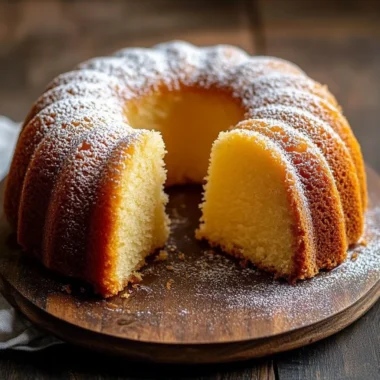
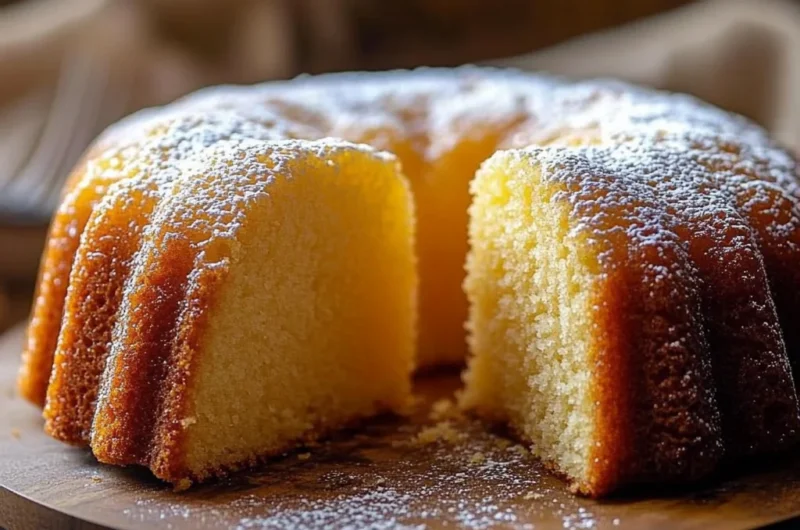
Imagine cutting into a warm butter cake, the golden crust giving way to a soft, buttery interior that practically melts in your mouth. The sweet aroma wafts through the air, wrapping around you like a cozy blanket, making it impossible to resist a slice (or two).
As I recall my grandmother’s kitchen filled with laughter and the smell of her famous butter cake, I can’t help but smile at how it became the centerpiece of every family celebration. Whether it’s a birthday or an afternoon tea, this delightful dessert promises an unforgettable flavor experience that will have everyone asking for seconds.
Why is butter cake so irresistible?
Indulge in the rich, buttery flavor that melts in your mouth.
Quick and easy, this recipe comes together in just a few simple steps.
Versatile enough to pair with fruit or ice cream for a delightful dessert.
Crowd-pleaser, perfect for gatherings or cozy family dinners.
Unique texture makes it stand out from ordinary cakes—moist yet sturdy!
Butter Cake Ingredients
For the Batter
- Unsalted Butter – provides a rich flavor and tender texture; make sure it’s softened for easy mixing.
- Granulated Sugar – sweetens the cake and helps create a light, fluffy crumb.
- Large Eggs – essential for binding and adding moisture; room temperature eggs work best.
- All-Purpose Flour – forms the base of your butter cake; sift it for a lighter texture.
- Baking Powder – ensures your cake rises beautifully; fresh baking powder is key for perfect fluffiness.
- Milk – adds moisture and richness; you can substitute almond milk for a dairy-free option.
- Vanilla Extract – enhances the overall flavor profile of your butter cake; pure vanilla gives the best results.
For the Glaze (optional)
- Powdered Sugar – sweetens and thickens the glaze; sift it to avoid lumps.
- Milk or Cream – adjusts the consistency of the glaze; use cream for a richer finish.
- Vanilla Extract – ties in with the batter flavors, creating harmony in every bite.
How to Make butter cake

1. Preheat the oven to 350°F (175°C). This step is crucial for achieving that perfect, fluffy texture we all love in a butter cake.
2. Grease your cake pan with butter or cooking spray. This will help ensure your cake releases beautifully after baking, creating a lovely golden crust.
3. Mix the dry ingredients in a bowl. Combine flour, baking powder, and salt until well blended; this helps create an even texture in your delicious butter cake.
4. Cream the butter and sugar together until light and fluffy. Use an electric mixer for about 3-5 minutes; this is where all that rich flavor starts to come together!
5. Add the eggs one at a time, mixing well after each addition. This will give your batter a smooth consistency that’s essential for a moist butter cake.
6. Incorporate the dry ingredients gradually into the creamed mixture, alternating with milk. Mix just until combined; overmixing can lead to a dense texture.
7. Pour the batter into the prepared pan, smoothing it out evenly with a spatula. It should be thick and creamy—just like you’d expect from a classic butter cake!
8. Bake in the preheated oven for 25-30 minutes or until golden brown and a toothpick comes out clean from the center. Let it cool for about 10 minutes before transferring to a wire rack.
Optional: Dust with powdered sugar before serving for an elegant touch!
Exact quantities are listed in the recipe card below.
Tips for the Best butter cake
- Room Temperature Ingredients: Ensure your eggs and butter are at room temperature; this helps create a smooth batter and a tender crumb.
- Don’t Overmix: Mix only until ingredients are combined to avoid a dense texture; overmixing can lead to a tough butter cake.
- Proper Measuring: Use the spoon-and-level method for flour to avoid packing it down; too much flour can dry out your butter cake.
- Check for Doneness: Insert a toothpick into the center; it should come out clean or with a few crumbs attached, signaling your butter cake is perfectly baked.
- Cool Gradually: Let your cake cool in the pan for about 10 minutes before transferring it to a wire rack, preventing it from breaking apart.
How to Store and Freeze butter cake
Room Temperature: Keep your butter cake wrapped in plastic wrap or in an airtight container for up to 3 days. This helps maintain its moist texture and buttery flavor.
Fridge: For longer freshness, store the butter cake in the fridge for up to a week. Ensure it’s well-wrapped to prevent it from absorbing any odors.
Freezer: You can freeze slices of butter cake for up to 3 months. Wrap each slice tightly in plastic wrap and place them in a freezer bag for best results.
Reheating: To enjoy your stored butter cake, simply let it come to room temperature or warm it slightly in the microwave for about 10-15 seconds.
Butter Cake Variations to Try
Customize your cake experience with these delightful twists that will make your taste buds sing.
- Gluten-Free: Substitute all-purpose flour with a gluten-free blend for a tender, delicious alternative. This way, everyone can enjoy a slice without worry!
- Vegan: Use plant-based butter and replace eggs with flaxseed meal mixed with water. Your cake will still be moist and flavorful, proving that dairy-free doesn’t mean flavor-free.
- Chocolate Chip: Fold in semi-sweet chocolate chips for a sweet, melty surprise in every bite. This adds richness that makes the classic recipe even more indulgent!
- Citrus Zest: Add lemon or orange zest to the batter for a bright, refreshing twist. The citrus aroma will uplift your kitchen and add a lovely zing to each slice.
- Almond Extract: Swap out vanilla extract for almond extract for a nutty flavor profile. This simple change can take your butter cake to new aromatic heights.
- Spiced Version: Incorporate cinnamon or nutmeg into the batter for a warm, comforting spice kick. It transforms the cake into a cozy treat that’s perfect for chilly days.
- Nutty Crunch: Stir in chopped walnuts or pecans before baking for added texture and crunch. The nuts provide a delightful contrast to the soft cake, creating an enjoyable bite every time.
- Fruity Delight: Fold in fresh berries like raspberries or blueberries for bursts of fruity goodness throughout the cake. This not only enhances flavor but also adds a pop of color, making it extra appealing!
Make Ahead Options

Preparing a delicious butter cake ahead of time is a fantastic way to save yourself some stress while still delighting your family with a homemade treat. You can bake the cake itself up to 3 days in advance, allowing you to focus on other meal prep. To ensure optimal freshness, wrap the cooled butter cake tightly in plastic wrap and store it at room temperature. Alternatively, you can freeze the cake for up to 3 months—just remember to double wrap it for protection. When you’re ready to serve, simply thaw it overnight in the fridge, then bring it to room temperature before glazing or frosting. This method not only keeps your butter cake moist but also enhances its flavors over time, making it an ideal option for busy days!
butter cake Recipe FAQs
What type of butter should I use for the best butter cake?
Using unsalted butter is ideal for a butter cake, as it allows you to control the salt content. Make sure your butter is at room temperature; this helps create a light and fluffy texture. Look for high-quality butter for richer flavor—your taste buds will thank you!
How should I store leftover butter cake?
To keep your butter cake fresh, wrap it tightly in plastic wrap or aluminum foil and store it at room temperature for up to 3 days. If you need it to last longer, refrigerate it for up to a week. Just remember that refrigeration can change the texture slightly, so enjoy it at room temperature for the best experience!
Can I freeze my butter cake?
Absolutely! To freeze your butter cake, first let it cool completely. Then, wrap it in plastic wrap and place it in an airtight container or a heavy-duty freezer bag. It can be frozen for up to 3 months. When you’re ready to enjoy a slice, simply thaw it in the refrigerator overnight or on the counter for a few hours—no one will guess it’s been frozen!
What should I do if my butter cake comes out too dense?
If your butter cake turns out dense, it might be due to overmixing or too much flour. Be gentle when combining ingredients; mix just until everything is incorporated. Also, make sure you’re measuring flour correctly—spooning flour into your measuring cup rather than scooping directly from the bag can prevent excess flour from sneaking in!
Can I make a dairy-free version of this butter cake?
Yes! You can substitute unsweetened applesauce or a plant-based yogurt for the butter with similar results. Additionally, use almond milk or coconut milk instead of regular milk if your recipe calls for it. Just keep in mind that while the flavor will differ slightly, you’ll still end up with a deliciously moist cake that everyone can enjoy.
Is there a way to enhance the flavor of my butter cake?
Definitely! Adding vanilla extract is a classic way to boost flavor; consider using high-quality pure vanilla for deeper notes. You could also experiment by folding in citrus zest (like lemon or orange) or spices like cinnamon or nutmeg to give your butter cake an aromatic twist that will wow your family and friends!